About
Our Mission
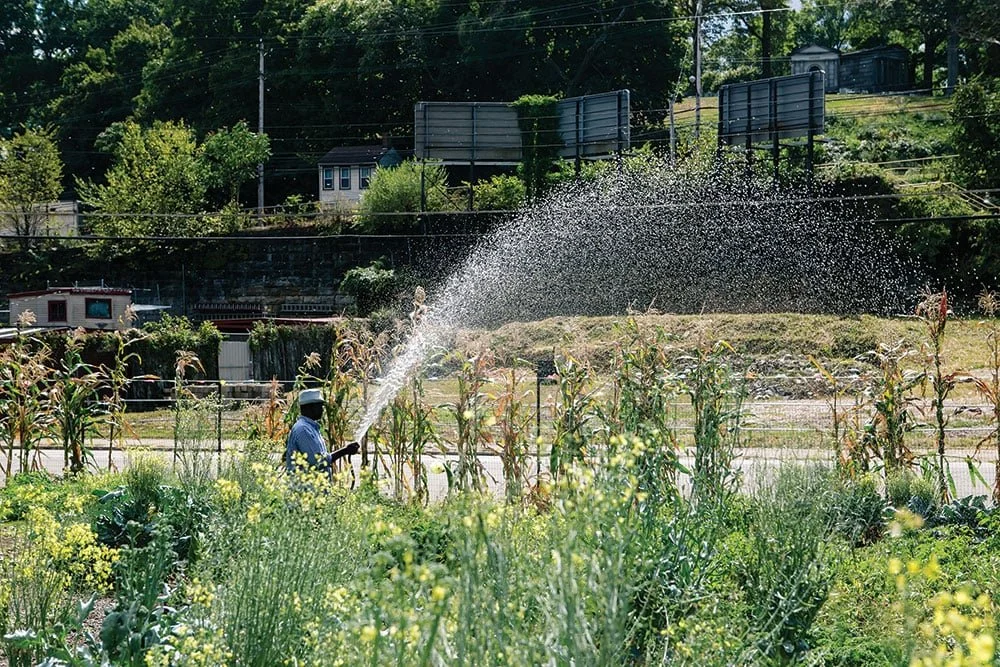
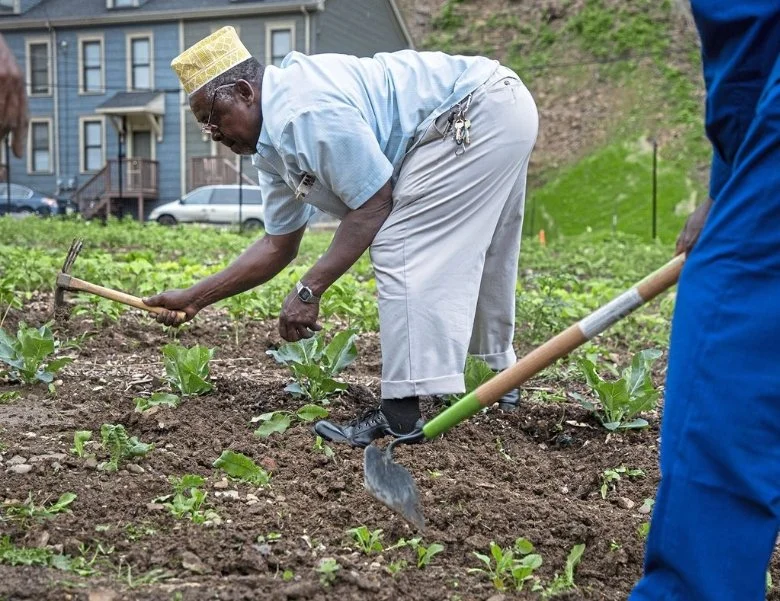
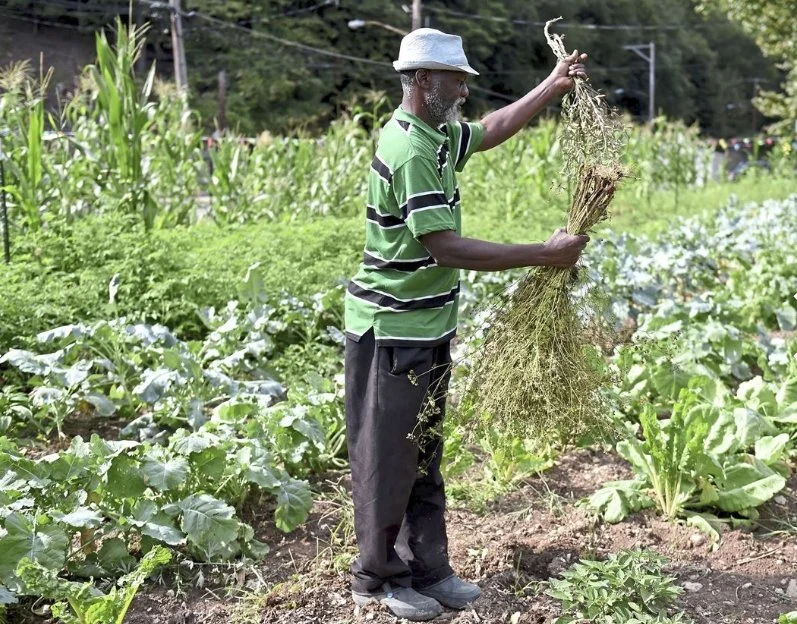
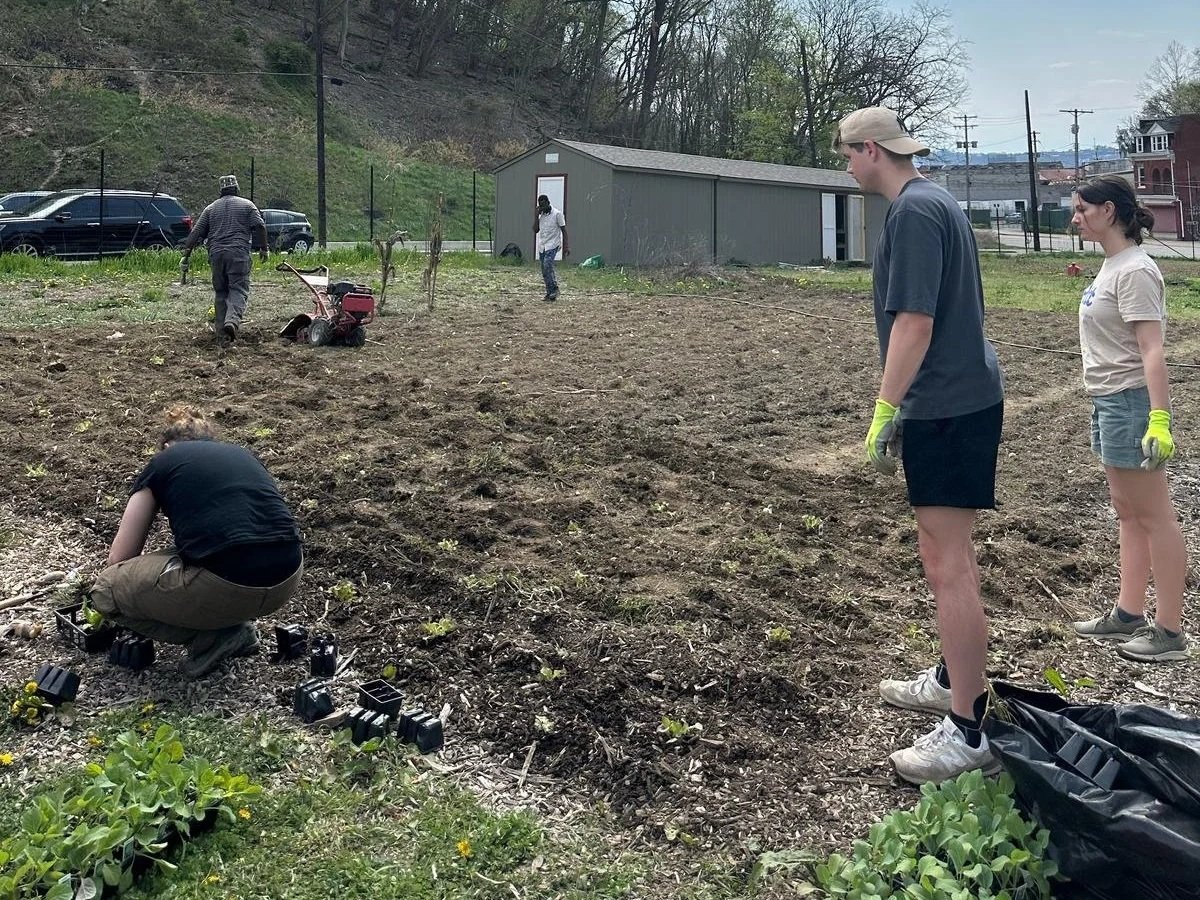
Mwanakuche Farms exists to educate, empower, and nourish immigrant and local communities.
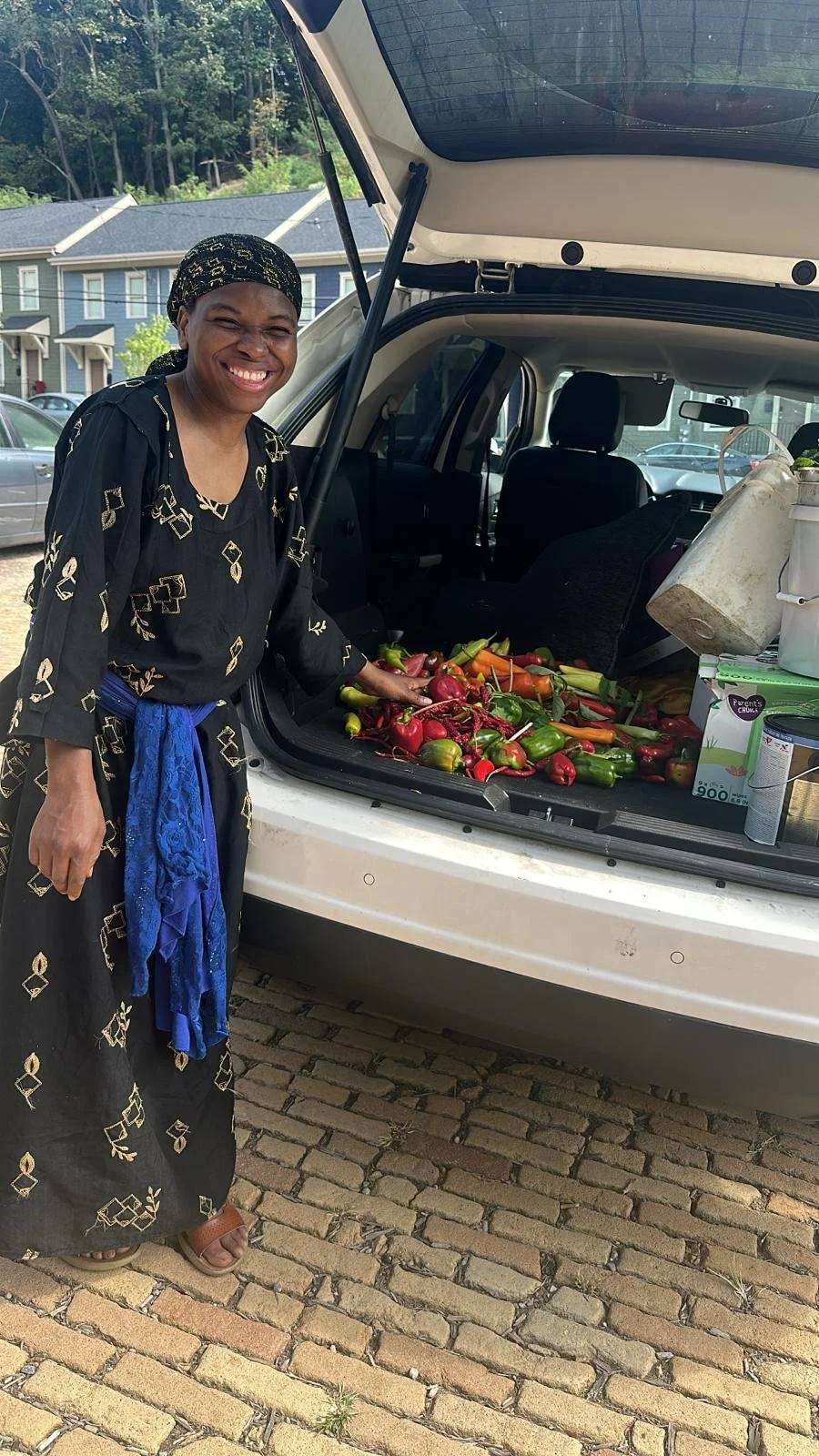
Based on our mission, we focus on providing food access, education and training, youth and volunteer engagement, and economic opportunity for our community members
Meet our Founder
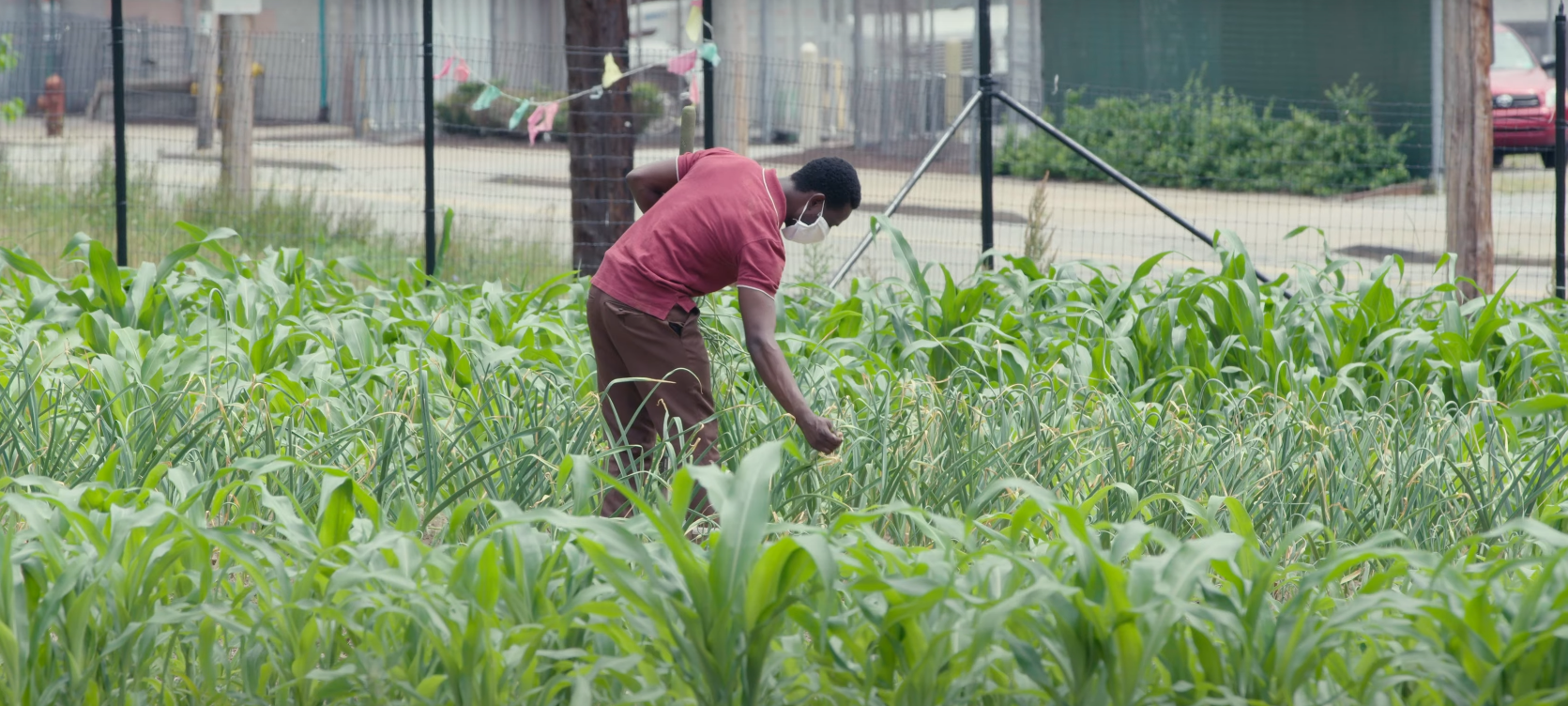
Abdulkadir M. Chirambo is the Executive Director and Co-Founder of Mwanakuche Community Farm, where he leads the farm’s mission to advance food sovereignty for immigrant and low-income families across Western Pennsylvania. He oversees strategic planning, community-led agriculture, and initiatives that expand access to healthy, culturally relevant food.
Before founding Mwanakuche, Abdulkadir served as the Director and Co-Founder of the United Somali Bantu of Greater Pittsburgh (2017–2020), supporting families through cultural preservation, youth mentorship, housing and employment services, and immigrant integration. His fluency in Somali and Mai-Mai helps him build strong, culturally grounded relationships.
Under his leadership, Mwanakuche has grown from a grassroots project into a regional model, highlighted by a major 2025 milestone: the purchase of farmland in Mercer County. This expansion increased production capacity, secured long-term land ownership, and strengthened food distribution to North Side neighborhoods such as Perry South and Northview Heights.
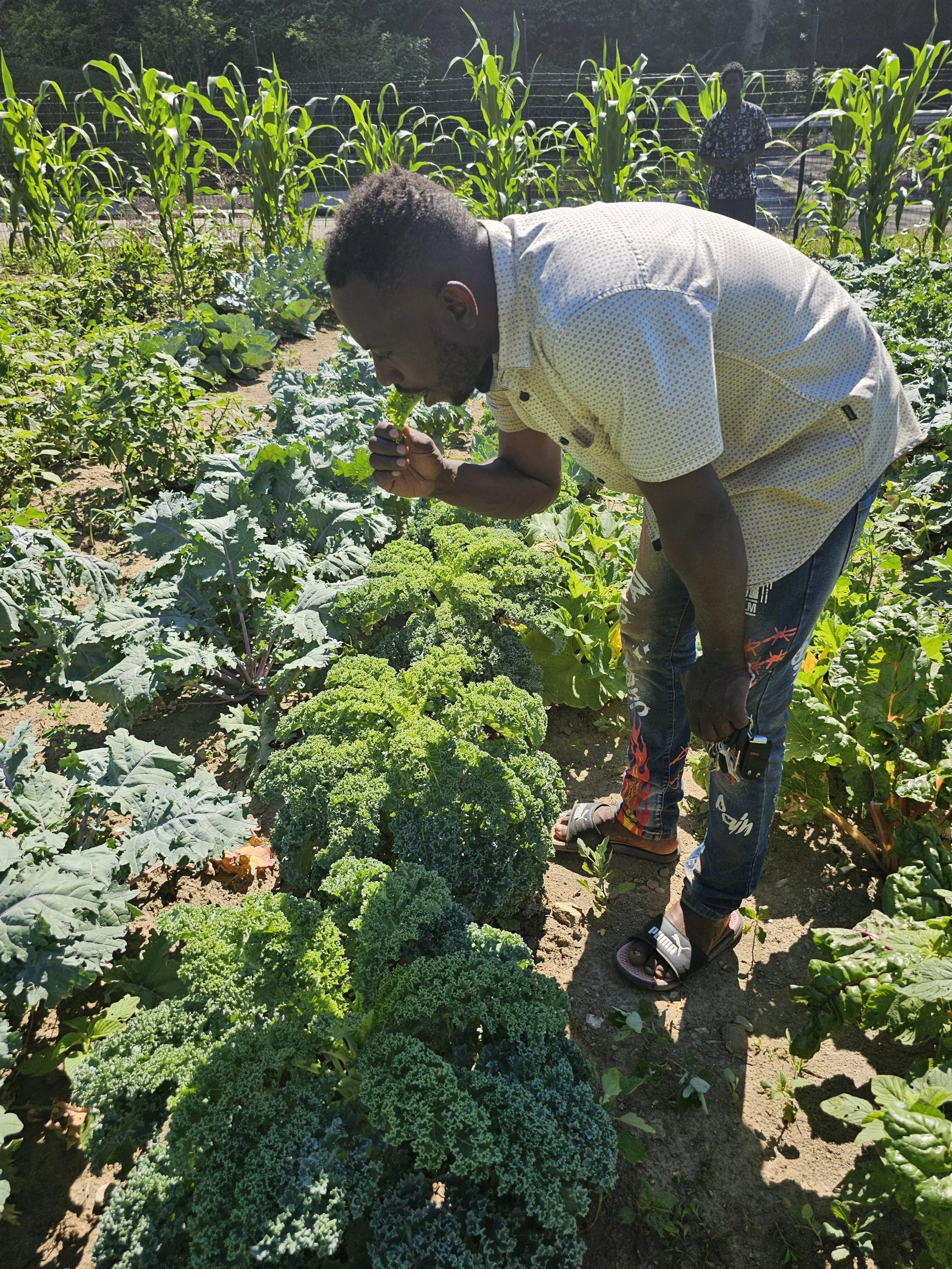
Abdulkadir’s work is shaped by his deep agricultural roots and refugee experience. Born in Jamama, Somalia, he spent 13 years in the Dadaab and Kakuma refugee camps before resettling in Erie, Pennsylvania in 2004. These experiences built his lifelong commitment to dignity, justice, and community self-determination.
After moving to Pittsburgh, Abdulkadir earned an Associate of Science in Safety and Security Administration (PTI, 2011) and completed additional training in public safety and emergency communication. He worked in security and operations roles from 2008–2011, strengthening the leadership skills he brings to his community work today.
Now, Abdulkadir is recognized as a champion of food justice and equitable access to land and resources. His leadership continues to build partnerships, expand regional food systems, and uplift immigrant and low-income families through culturally rooted agriculture.
Meet our Elders
-
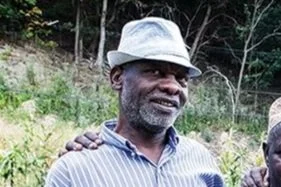
Bare Bule
Co-Founder
Born in Lower Juba, Somalia, in a place known as Ko Bongo (Kowon), Bare is widely recognized as a primary co-founder of Mwanakuche Farm. Bare brings decades of experience in traditional East African agriculture, shaped by the fertile lands and communal farming systems of his homeland. His leadership has been instrumental in shaping the farm’s philosophy, ensuring that culturally relevant crops, community empowerment, and food sovereignty remain central to all operations. Bare has influenced every major development at both the Mercer production site and the Perry South community farm. His work as a cultural advisor and strategic guide reflects a deep commitment to food justice, immigrant empowerment, and long-term sustainability.
-
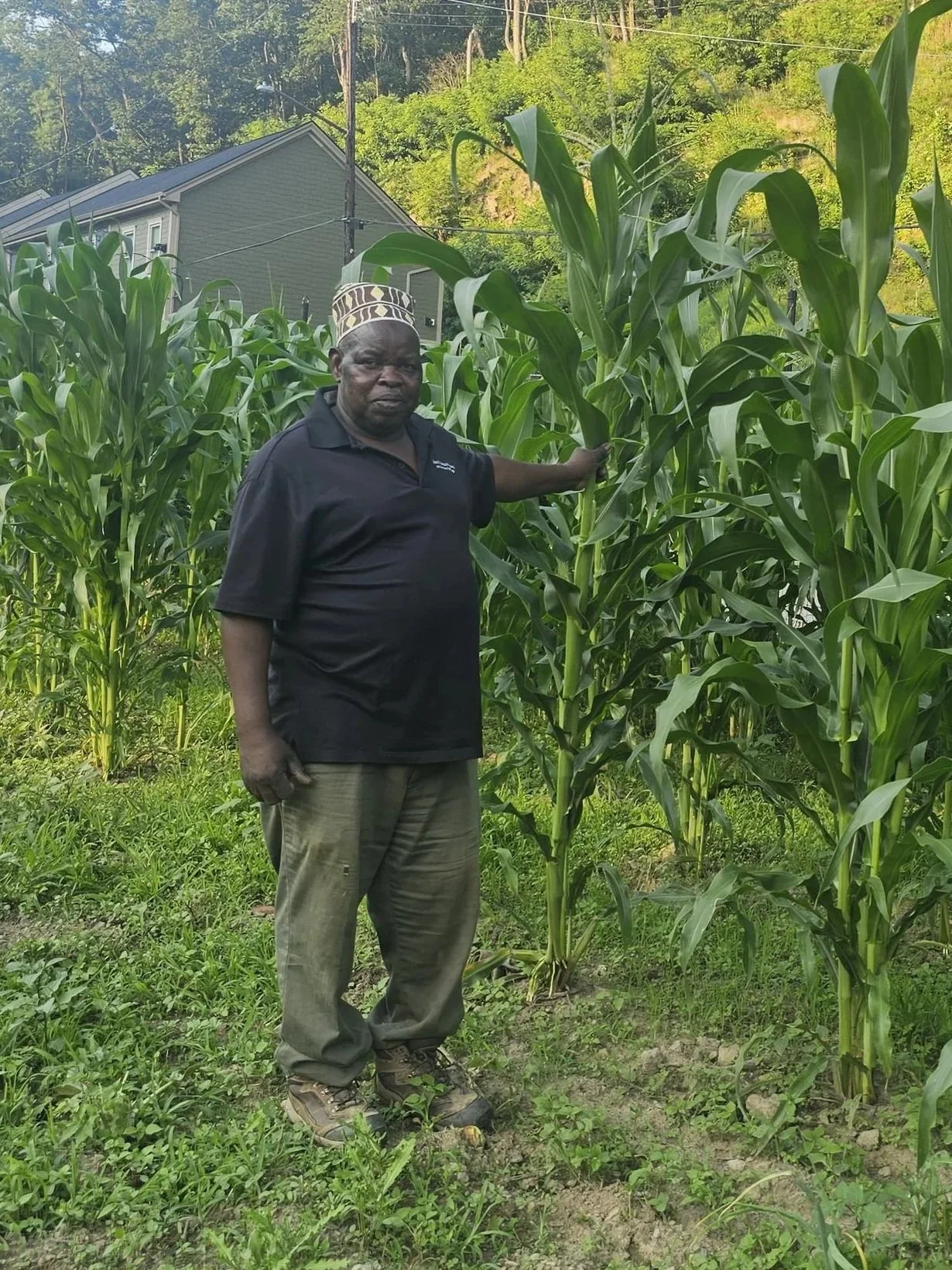
Ula Muya
Elder
Ula Muya, also born in Lower Juba in a place called Migwa, contributes more than 60 years of firsthand cassava-growing experience and extensive knowledge of East African farming practices. As an elder educator, Ula plays a vital role in teaching propagation techniques, soil preparation, harvest methods, and cultural crop traditions to new farmers and youth. His expertise has been crucial in helping the farm introduce culturally significant crops—such as cassava, amaranth, cowpeas, and African eggplant—into Western Pennsylvania’s food system. Ula’s commitment to intergenerational learning strengthens the farm’s cultural foundation and ensures that vital agricultural knowledge continues to be passed down.
-
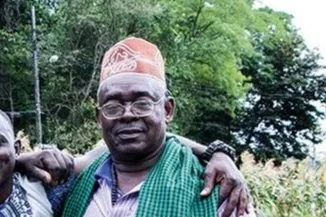
Hassan Malambo
Elder
Hassan Malambo, born in Lower Juba in a village known as Baraka Dhuro, brings a lifetime of farming experience shaped by pastoral and agricultural systems that sustained Somali families for generations. Hassan’s knowledge of livestock care, rotational grazing, and land stewardship has helped guide the development of the animal husbandry and compost systems at the Mercer farm. His experience ensures that the farm’s practices honor both ecological balance and cultural tradition. Hassan also serves as a community elder and mentor, helping guide decision-making with wisdom, patience, and a strong cultural grounding.
FAQs
-
We have two locations. The community garden is located in Pittsburgh and focuses on demonstration gardens, training plots, and culturally relevant vegetables. It supplies food for the local neighborhoods and educational activities as well.
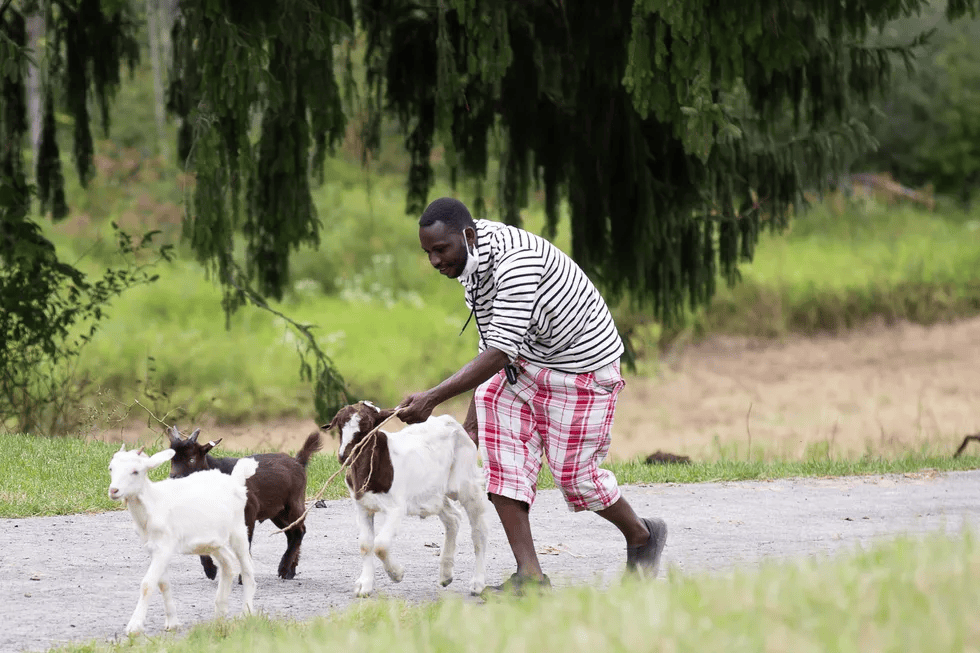
The farm, located in Mercer County, is a larger scale production site that produces vegetables, fruits, and small animals such as goats, sheep, cows, and chickens. This site supplies to local farmstands, immigrant families, and organizations across the region
-
Through our farmstands, we accept SNAP benefits and also participate in Double Up Food Bucks when available.
-
We advertise our harvests and produce stands via social media, flyers, and via our events page. Check out upcoming events here!
You can also sign up for our monthly newsletter here to also hear about upcoming opportunities to receive produce.
-
We pride ourselves on making sure culturally significant crops are available reliably. This includes crops such as cassava, boniato, Somali beans, and more. For a more cohesive list, check out our home page!
Got another question not featured here? Contact us at: mwanakuche@gmail.com